On this page
- What certification do boats require?
- Is Sulawesi suitable for newer divers?
- Which routes ask for more experience?
- How do currents change the answer?
- How recent must your last dive be, and what should you carry?
- What can you do if you fall short?
- What other questions do divers ask about experience?
- Which sources support this page?
- How do I reach the desk?
By Sulawesi Liveaboard Editorial Desk
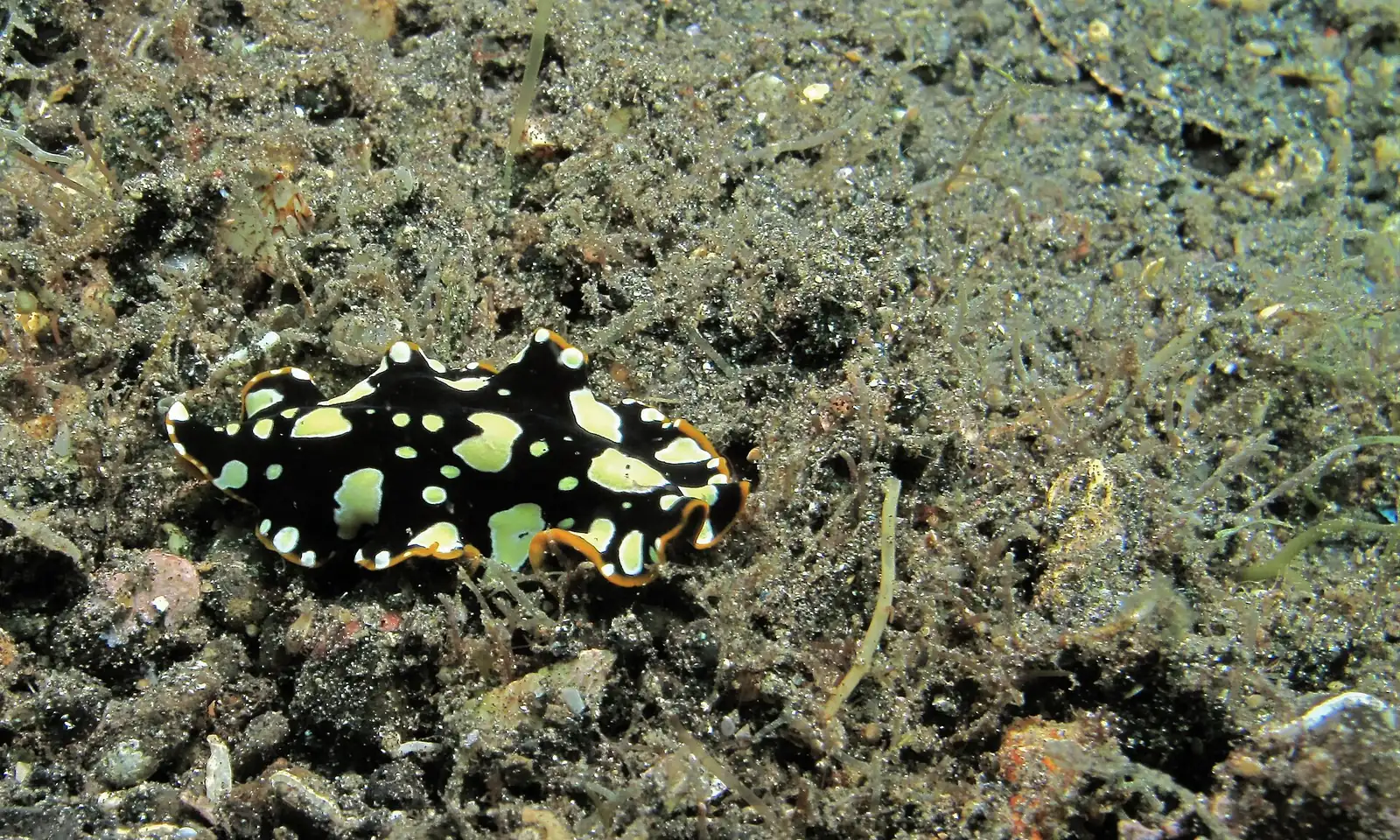
Experience requirements on Sulawesi liveaboards are set trip by trip, and we found no single regional rule. La Galigo requires a recognised certification, while White Manta grades its Lembeh and North Manado trip Intermediate to Advanced, in medium to strong current. An operator guide calls Bunaken beginner-friendly. Read the rating on your trip, then ask what minimum applies.
What certification do boats require?
The published requirements are specific to each operator, and they are not all about certification:
| Operator | What it publishes | What it leaves you to ask |
|---|---|---|
| La Galigo | A recognised certification, such as SSI, CMAS, BSAC or PADI. Its FAQ says its on-board Advanced Open Water course is open to Open Water divers with 30 dives logged who miss a trip's minimum | What the minimum is on your trip |
| Mikumba Diving | An Open Water course, 25 dives and a Deep Adventure dive, which can be taken on board; recent diving within the last 6 to 12 months, or a refresher | Whether its guides change sites for lower levels on your date |
| White Manta | Trip rated Intermediate to Advanced, with medium to strong current. Dive and travel insurance compulsory; dive computer required | Whether it sets a logged-dive number |
| Mermaid Liveaboards | A dive computer per diver is mandatory | The experience it wants on the Togian route |
| Wallacea Dive Cruise | Trips open to snorkelers, with specific guidance for them | What it asks of divers on the crossing |
Mikumba's line gives the clearest numbers: 25 dives is lower than La Galigo's 30-dive course entry, though the two figures measure different things. La Galigo's line tells you that a trip can have a minimum above basic certification, and that the operator will help some divers bridge the gap. It also shows that logged dives count, not only the card. The course is not automatic, since you still need the 30 logged dives to take it. Cost is a separate matter; ask the operator what it currently charges.
Notice what the table does not contain: a shared standard. We have seen no rule making Advanced Open Water a requirement for Sulawesi as a whole, or ruling it out. It depends on the trip.
Is Sulawesi suitable for newer divers?
Parts of it are, according to the sources that address this. Neptune's Bunaken guide calls the area beginner-friendly and the current usually gentle, then warns newer divers about downwellings and tells them to keep close to the wall and the guide. That advice is worth reading closely. "Beginner-friendly" comes with a specific hazard attached. In our reading, and not from a source, walls with deep water beside them leave less margin than a shallow reef.
Lembeh is another candidate. LiveAboard.com says sites there have mostly mild currents and that the strait is sheltered. Current is not the only test, though. By Wikipedia's definition, muck diving means a loose sedimentary bottom and usually relatively low visibility, and LiveAboard.com says heavy rain can cut Lembeh visibility to around 4 metres. Our own reasoning, again not a source's: poor buoyancy stirs up that bottom, for you and for everyone behind you, so a calm site can still be demanding in its own way.
The bigger caution for a newer diver is the format. A liveaboard asks for repeated dives day after day. Neptune's guide says Bunaken does not need a boat, and that for one focused week, staying ashore may make more sense. Bluewater, a travel agency, likewise says resorts work well for Lembeh and Bunaken. Since a place can be friendly to beginners while a particular boat trip through it is not, compare it with our page on boat or resort.
Which routes ask for more experience?
This is where the same region gives opposite answers. Below, each row is what its source says about one place or trip. Absence from the list does not mean a route is easy.
| Place or trip | What the source says | Source |
|---|---|---|
| Lembeh and North Manado trip | Intermediate to Advanced; medium to strong current | White Manta |
| Bangka | Sheltered reefs, plus exposed pinnacles where current or surge suits experienced divers | Bluewater |
| Molas Wreck | About 24 to 40 metres; most suited to advanced divers | Bluewater |
| B-24 wreck, Togians | About 18 to 22 metres, and published depths vary | LiveAboard.com for the wreck's history; a travel guide for the depth |
| Bunaken walls | Currents usually gentle; downwellings near the wall | Neptune Liveaboards |
Set the top row beside the Bunaken row. Both are North Sulawesi, yet one operator grades its trip well above beginner level and another operator's guide calls an area gentle. A diver who reads only the regional reputation can come away with the wrong idea. The White Manta trip also goes well beyond Lembeh, naming island stops outside the strait. Its rating applies to the trip as a whole, so a sheltered first dive does not predict the rest.
Our route comparison shows which trips travel furthest, the Sulawesi liveaboard guide shows the regions at a glance, and our Bangka and Sangihe page covers the northern route.
How do currents change the answer?
LiveAboard.com warns current at some sites can strengthen quickly and switch direction within one dive. So, in our reading, a certification level tells an operator less than your record of handling that change does.
Conditions also vary by place within the same trip. Bluewater treats North Sulawesi as a year-round area, but calls Bangka more variable than sheltered Lembeh. A week that begins in the sheltered strait may then move to places with far less protection.
Honest self-assessment works better than the card here. Before you commit, ask yourself:
- Have you dived in current strong enough that you had to stop swimming against it and work with the guide?
- Can you deploy a surface marker in mid-water, and hold a safety stop without a line?
- Have you made several dives a day for several days in a row, and how did you feel by day four?
- How did you handle a downwelling, or would this be your first?
- When did you last dive? A long gap matters more than an old card suggests.
Any "no" here is not disqualifying. It is simply something to raise with the operator before you pay, and a reason to look for a trip with a calmer description.
How recent must your last dive be, and what should you carry?
Mikumba is the one operator here that sets a time limit: guests need diving experience within the last 6 to 12 months, or a refresher before joining. Its range leaves room for interpretation, so ask which end applies to you. Our own suggestion, not a source's: book any refresher before you fly, so that your first dive after the gap is not the check dive on a moving boat.
On equipment, LiveAboard.com advises carrying a surface marker buoy and a finger spool, particularly at sites where current can build or switch. It says visibility at muck or mangrove sites can occasionally fall to around 2 metres, so buddy contact matters. That is a general note for Sulawesi, lower than its 4-metre figure for Lembeh after rain. If you have never deployed a marker in mid-water, practise before the trip, and ask whether the boat lends them.
What can you do if you fall short?
You have more options than cancelling the idea:
- Ask the operator first. Send your certification level, logged dive count, last dive date and the kind of conditions you have dived in. A specific question gets a specific answer, and you will have it in writing.
- Close the gap on board, where offered. La Galigo's course has a 30-dive entry point, and Mikumba says its Deep Adventure dive can be taken on board.
- Close the gap before the trip. Log dives and take further training at home or at a resort, then book the harder trip for a later season.
- Change the base. Spend the week at a resort in a sheltered area, and keep the longer boat trip for later.
- Change the role. Some trips take snorkelers. Wallacea says so, and La Galigo says it does not charge for its snorkelling equipment. Insurance still applies: La Galigo asks non-divers for proof of cover as well.
One thing not to do is overstate your log to get a place. In our reading, guides plan dives around what you told them, and the risk falls on you and on the people who may need to help you. Ask your insurer how it treats an inaccurate log.
If you ask our desk about a trip, give it the same details. It can tell you what is published and what to ask, but the operator's dive staff decide whether you can dive a given site on the day.
What other questions do divers ask about experience?
Do I need Advanced Open Water for a Sulawesi liveaboard?
There is no blanket rule that we could find. La Galigo's FAQ implies that a trip can have a minimum above Open Water, because it runs an on-board Advanced course for divers who miss one. Ask for the minimum on your trip.
Can beginners join a Sulawesi liveaboard?
Sometimes, depending on the trip. Neptune's guide calls Bunaken beginner-friendly, but White Manta grades its northern island trip Intermediate to Advanced. Ask the operator about your exact date and log before paying a deposit.
Is a dive computer required on these boats?
Yes, on the three operators that publish a rule. White Manta requires one, Mermaid says a dive computer is mandatory per diver, and Mikumba Diving calls it mandatory. If you do not own one, ask about rental when you book, so that one is reserved for you.
Is Lembeh easy because the currents are mild?
Not automatically. LiveAboard.com calls the currents there mostly mild, but rain can spoil visibility, and in our reading a silty bottom demands good buoyancy. Mild current removes one difficulty and leaves others in place.
Can a non-diver travel with a diving partner?
Yes, on some trips. Wallacea Dive Cruise accepts snorkelers on its trips, and La Galigo asks non-divers for proof of insurance too. Check that the specific itinerary has water time for them.
Which sources support this page?
- La Galigo: Bangka, Lembeh and Sangihe trip
- La Galigo: frequently asked questions
- White Manta: Lembeh and North Manado trip
- Mermaid Liveaboards: equipment rental prices
- Wallacea Dive Cruise: Raja Ampat, Halmahera, Lembeh, 11 nights
- Neptune Liveaboards: Bunaken diving guide
- LiveAboard.com: Lembeh Strait
- LiveAboard.com: Sulawesi
- LiveAboard.com: Togian Islands listing
- Bluewater Dive Travel: North Sulawesi guide
- Bluewater Dive Travel: diving in Indonesia
- Wikipedia: Muck diving
- Asik Travel, Togean guide
- Mikumba Diving: Sulawesi trip information and sample itineraries
How do I reach the desk?
Give the desk your certification, logged dives, last dive date and the trip you have in mind: WhatsApp +62 811-3941-4563 or bd@juaraholding.com. Please leave out medical records and card scans.
Send the desk your region, dates, and group size. The desk replies in writing.
Ask the desk on WhatsApp bd@juaraholding.com